THE SCHOOL LUNCH PROGRAM
Good school food, affordable for all.
In Australia today, 15% of children arrive at school without lunch or money to buy it, and rates of food insecurity and cost of living continue to increase. At the same time, international studies clearly show the benefits that nutritious school food has on growing brains.
We believe the time has come for school food to be universal and government-supported to ensure no child misses out on the nutrition they require to thrive and learn.
So how can we do this?


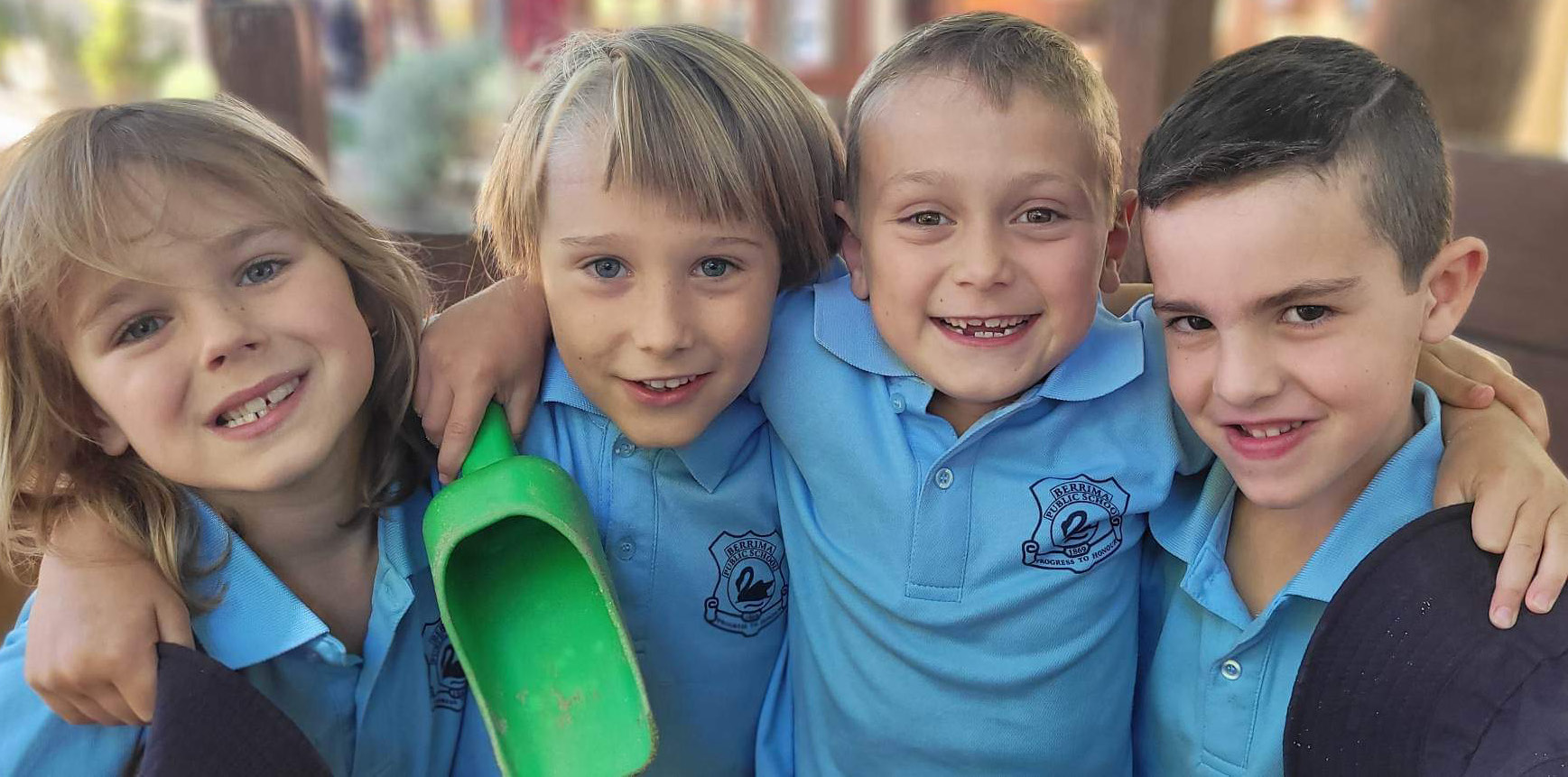
Inspired by best practice overseas, we teamed up with Berrima Public School in NSW in 2023 to trial a new way to serve lunch at school, aiming to create a model that can be implemented nationally. We collaborated closely with the school leadership to build systems and remove barriers to make fresh, delicious meals a new normal.
What makes our Lunch Program unique?
It is for everyone: A hot lunch plus morning and afternoon tea is offered to every child, every day.
Equitable: Parents pay around $5 a day, and the school covers the cost for children whose families need support.
Social: Children sit together for lunch and use plates and crockery.
Food is delicious, nutritious and fresh: Meals are prepared onsite from scratch by a qualified chef and an apprentice chef.
Local: Ingredients are sourced locally where possible with a farm-to-school supply chain as an end goal.
Educational: The chef is also an educator, and links the program to the school curriculum.

Berrima Public School: A Case Study
An evaluation report was published by Flinders University to understand the impact and outcomes in the 12 months since the program was launched. The findings showed improvements in the following areas:
Health and Development
✔️ Improved nutrition compared to lunch boxes, especially for families who struggle.
✔️ Increased food autonomy, greater recognition of hunger and fullness cues and broadened food preferences.
Social Wellbeing
✔️ Better connectedness and social cohesion.
Education
✔️ Greater food literacy, even with fussy eaters.
Equity
✔️ Every child received the same meal; the school covered the cost of any children whose parents are unable to contribute payment.
✔️ Dietary and cultural needs catered to.
Environment
✔️ Reduced parental lunchbox and morning stress.
✔️ Sustainable work practices– less food miles, less packaging, food waste management systems.

So what’s next?
We have partnered with Flinders University for the Thinking Outside the Lunchbox research project. Thist is led by Flinders University and is part of a Linkage Project for the Australian Research Council (2026-2029). It will test a new approach to school-based health promotion: school-lunch programs that provide fuel for learning, social environments for connection, and can teach children about food systems.

They will compare different school-provided lunch programs across Tasmania, South Australia and NSW to quantify their effectiveness, scalability, sustainability, financial viability and societal value. A sustainable business model will be developed using holistic assessment of child learning and wellbeing, environmental sustainability, and economic outcomes.
This will drive systems change to support all Australian families by transforming how schools feed children and teach about food.
For us as implementation partners, this means expanding our program to 12 schools in NSW and 12 in South Australia in the next four years.
Please get in touch if you’d like to learn more!
The Facts

LUNCHBOX
FACTS
Research shows more than 1/3 of the food students eat at school is unhealthy. Most lunchboxes contain no vegetables.

EAT WELL, FEEL BETTER,
THINK BETTER
Kids who eat well at school achieve better academic results and enjoy better mental health.

FOLLOW
THE LEAD
One in two children globally receive lunch at school. A recent trial in Tasmania confirmed the benefits.